


Key differences between skill-based and chance-based gambling games Leave a comment
Key differences between skill-based and chance-based gambling games
Understanding Skill-Based Gambling Games
Skill-based gambling games are those where the player’s ability and decisions impact the outcome. Popular examples include poker, blackjack, and various skill-based arcade games. Players engage strategically, often requiring an understanding of probabilities, game rules, and opponent behavior. This engagement can lead to enhanced satisfaction, as skilled players may consistently outperform those relying solely on luck.
The nature of skill-based games allows for a more engaged player experience. People often spend time honing their skills, practicing strategies, and analyzing opponents. This ongoing commitment can lead to a sense of community among players who share tips and strategies. The intellectual component of skill-based gaming attracts a specific crowd, contributing to a more competitive atmosphere that many enthusiasts enjoy. To explore more about skill-based experiences, visit website.

Moreover, the emotional and psychological aspects of skill-based gaming cannot be overlooked. Players often experience a sense of pride and accomplishment as they improve their skills. This journey of personal growth complements the competitive nature of these games, motivating players to continually challenge themselves. For many, participating in tournaments or competitions adds an extra layer of excitement, allowing skilled players to showcase their capabilities and perhaps earn recognition.
The Role of Chance in Gambling Games
Chance-based gambling games, on the other hand, rely heavily on luck, with results determined primarily by random events. Games like slot machines, roulette, and certain lottery formats exemplify this genre. Players enter with the understanding that outcomes are not influenced by skill; instead, they must surrender to the uncertainties of chance. This randomness can create excitement, as players amass a thrill from potential big wins.
These chance-based games are often appealing to those seeking immediate gratification. The simplicity of gameplay attracts a broad audience since minimal knowledge or skill is required. Moreover, the prospect of a windfall can lead to impulsive decisions, making these games particularly popular in casual settings. However, the inherent randomness can sometimes lead to frustration, especially among those hoping for consistent wins. Understanding the psychology behind chance-based games can also enrich one’s experience, as players often become captivated by the possibility of winning, despite the odds being against them.
Comparing Engagement Levels
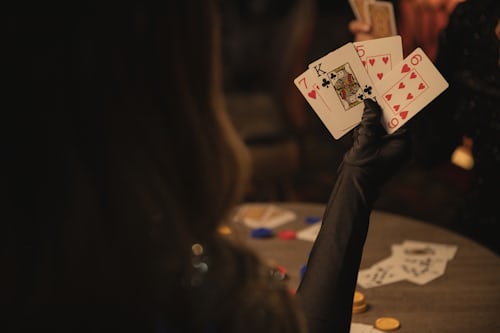
An essential aspect of the differences between skill-based and chance-based gambling is the level of engagement each offers. Skill-based games typically foster a deeper engagement, as players must continually adapt and strategize based on the game’s dynamics. This need for active participation often translates into longer play sessions, where players enjoy the thrill of not just the game but the tactical challenges it presents.
Conversely, chance-based games provide a more passive experience. Players may engage solely for entertainment without any serious commitment to enhancing their skills or strategies. This contrasts with gamers who seek to improve their performance in skill-based environments. While both types of games cater to unique preferences, understanding this engagement factor can help players choose the format that aligns with their gaming style. Additionally, social interactions during skill-based games can enhance the experience, as players often engage with one another to share experiences and strategies, fostering camaraderie.
Potential Returns on Investment
The potential for returns in both types of games varies significantly. In skill-based games, talented players often experience a better return on investment, as their skills allow them to make informed decisions that can yield consistent results. Over time, the ability to read opponents, calculate odds, and execute strategies can lead to a favorable financial outcome.
In contrast, chance-based games generally provide lower expected returns over time. The odds are overwhelmingly in favor of the house, meaning players often lose more than they win. While an occasional big win can occur, statistically, players should be prepared for loss, making these games riskier financially. However, the thrill and excitement can outweigh potential financial loss for many casual players. It’s important for players to set budgets and understand their limits, ensuring that the entertainment value remains a priority over potential financial gains.
Exploring More on Gambling Games
For those curious about the intricate world of gambling, a wealth of resources are available to deepen understanding of various game types. By exploring the differences between skill-based and chance-based games, enthusiasts can make more informed choices about their gaming experiences. Websites dedicated to gambling education often offer insights, strategies, and tips tailored to player needs.
Whether one leans towards the strategic complexities of skill-based games or enjoys the unpredictable excitement of chance-based gambling, there is something for everyone. Engaging with knowledgeable sources will enhance the overall experience and ensure informed decision-making in the gambling landscape. Additionally, forums and discussions can provide varied perspectives, allowing players to share their experiences while learning from others. This collaborative learning environment enriches the overall experience and fosters a sense of belonging within the gambling community.
